Let's face it: constantly wrestling with harsh chemicals, dry skin, red eyes, and that lingering "chlorine smell" can take the joy out of owning a pool. If you're tired of the chemical juggle and dreaming of a gentler, more automatic way to keep your water sparkling, then Selecting the Best Salt Chlorine Generator for Your Pool isn't just a smart move—it's a game-changer. Imagine crystal clear water, softer on your skin, easier on your eyes, and all with significantly less manual effort. That's the promise of a salt chlorine generator, and with this guide, we'll help you cut through the noise to find the perfect system for your aquatic oasis.
At a glance: Your Path to a Saltwater Pool
- Pool Size is King: The most crucial factor is matching the generator's capacity (gallons) to your pool's actual volume. Oversize slightly for better performance.
- Above-Ground vs. In-Ground: Different systems are designed for different pool types and their specific needs.
- Durability Matters: Look for robust titanium cells, self-cleaning features, and strong warranties.
- Smart Control is Key: Systems with Wi-Fi, app control, and automatic monitoring offer ultimate convenience.
- Factor in Maintenance: While simpler, salt systems still require occasional cell cleaning and salt level monitoring.
- Budget & Warranty: Don't just look at the upfront cost; consider the warranty duration for the cell, as it's the heart of the system.
Why Make the Switch to Salt? The Saltwater Difference
Before we dive into the nuts and bolts of choosing, let's quickly clarify why so many pool owners are making the switch. A salt chlorine generator works by taking ordinary pool salt (sodium chloride) and converting it through a process called electrolysis into pure chlorine. This chlorine then sanitizes your pool water, just like traditional chlorine, but without the harsh additives and binders that cause irritation. Once it's done its job, it reverts back to salt, ready to be converted again. It's an efficient, closed-loop system that transforms your pool experience.
Think of it as having an on-demand chlorine factory right in your pool's plumbing. No more trips to the store for buckets of chlorine tablets, no more dealing with liquid chlorine spills, and a dramatically reduced need for constant manual shocking. This means more time enjoying your pool and less time maintaining it. For many, it's the easiest way to ensure a consistently healthy swimming environment.
Decoding Your Pool: Capacity and Type Come First
The very first step in selecting a salt chlorine generator is understanding your pool's specifics. Just like you wouldn't put a compact car engine in a semi-truck, you need a generator sized correctly for your pool.
Sizing Up Your System: Gallons are the Gauge
Every salt chlorine generator specifies a maximum pool capacity in gallons. It's generally recommended to choose a system that's rated for at least 1.5 to 2 times your actual pool volume. Why? Because oversizing gives your generator breathing room, allowing it to run at a lower output for longer, which extends the lifespan of the salt cell and provides more consistent chlorine levels.
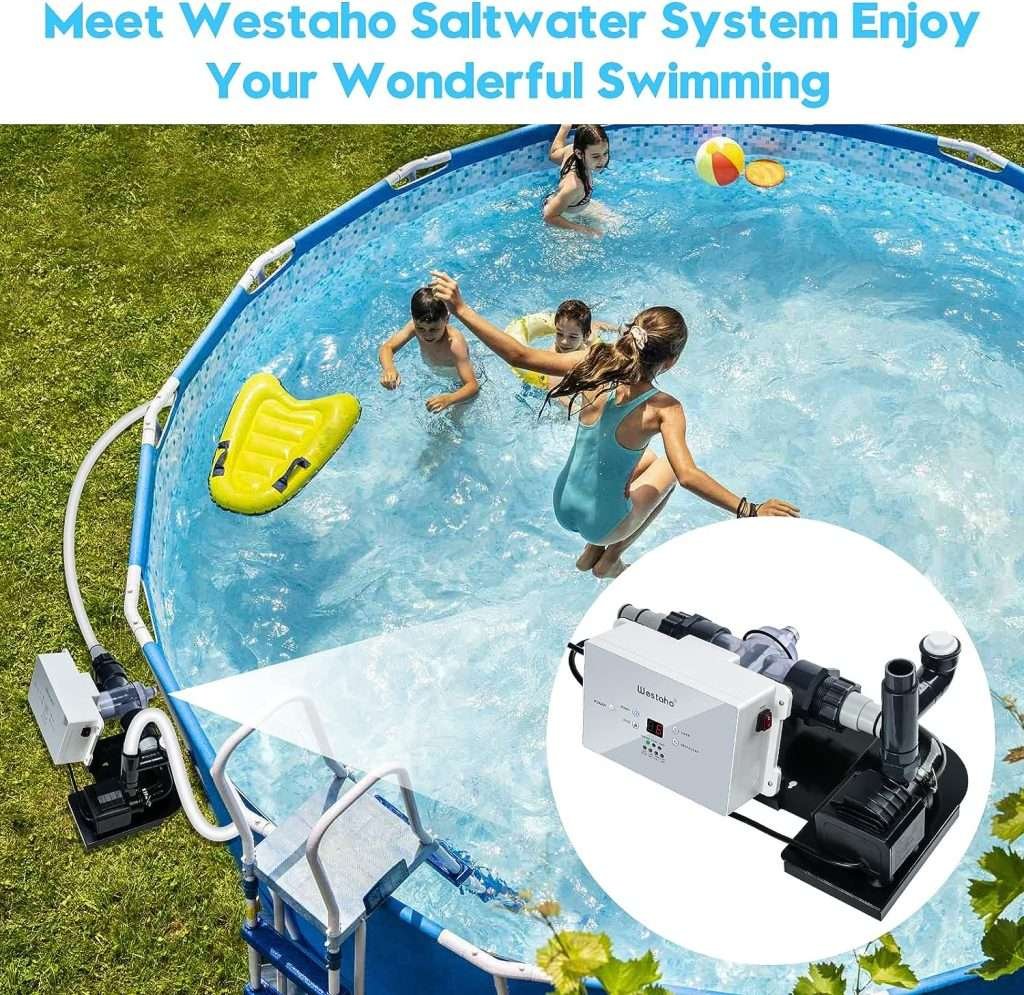
- Small Pools (up to 15,000 gallons): For above-ground pools in this range, systems like the Intex Krystal Clear Saltwater System or the Westaho Saltwater Pool System (for above-ground pools) are excellent choices. They're designed to be user-friendly, efficient, and cost-effective for smaller volumes. The Intex, for instance, offers automatic saltwater cleaning and HydroAeration Technology for improved circulation, while the Westaho boasts intelligent monitoring and American-made titanium cells for longevity.
- Mid-Size Pools (up to 25,000 gallons): Many in-ground pools fall into this category. You'll find options like the XtremepowerUS Salt Chlorination Cell, which is a cost-effective plug-and-play solution compatible with popular Hayward models.
- Large Pools (up to 40,000 gallons and beyond): This is where the heavy-hitters come in. Systems such as the Westaho Salt Chlorine Generator (for in-ground pools), the Hayward AquaRite Salt Chlorination System, or the E-CHLOR Salt Chlorine Generator are designed to handle significant volumes. The Westaho for in-ground pools can produce 1.4 pounds of chlorine per cycle and features a USA-made titanium cell with up to a 7-year lifespan. For even larger pools, consider the CircuPool Universal55 (up to 55,000 gallons) or the CircuPool RJ60+ (up to 60,000 gallons), both known for their robust construction and efficiency. The RJ60+, with its intuitive OLED display and heavy-duty components, is particularly suited for big pools requiring serious chlorine output.
Pro Tip: If you live in a hot climate or have a pool that gets heavy use, always lean towards oversizing. More sun and more swimmers mean more chlorine demand.
Above-Ground vs. In-Ground: Not One-Size-Fits-All
While the core technology is similar, salt chlorine generators are typically categorized for either above-ground or in-ground pools due to differences in plumbing, power requirements, and expected system lifespan.
- Above-Ground Pool Systems: These are often simpler to install, sometimes requiring no plumbing modifications at all (like the Solaxx Saltron Retro Salt Chlorine Generator, which just drops into the pool). They tend to be more compact and designed for pools up to around 20,000 gallons. The Rinoson Smart Saltwater Pool Chlorinator System with WiFi is another great example for above-ground pools up to 13,000 gallons, offering smart features and a self-cleaning plate.
- In-Ground Pool Systems: These are generally more robust, designed for permanent installation into your existing plumbing, and can handle much larger volumes. They often integrate with advanced pool automation systems, giving you more control and convenience. The Pentair IC40 EC-520555 Salt Cell is a prime example of an efficient, long-lasting solution for in-ground pools up to 40,000 gallons.
The Heart of the System: Durability and Longevity
A salt chlorine generator is an investment, and like any investment, you want it to last. The key component determining longevity is the salt cell itself—the part that actually performs the salt-to-chlorine conversion.
Titanium Cells: The Gold Standard
Nearly all quality salt cells use titanium plates, often coated with ruthenium oxide. The quality and thickness of these plates, along with the coating, directly impact the cell's lifespan.
- American-Made Cells: Products like the Westaho Saltwater Pool System for above-ground pools and its in-ground counterpart boast American-made titanium cells, promising extended life. The in-ground Westaho cell, for example, is rated for up to 7 years.
- Advanced Coatings: The Pentair IC40 EC-520555 Salt Cell highlights its durable titanium blades with ruthenium oxide coating, contributing to its reliable and efficient performance.
- Self-Cleaning & Polarity Reversal: This is a crucial feature for durability. Over time, calcium and other minerals can build up on the cell plates, reducing efficiency. Systems with automatic polarity reversal (or self-cleaning features) reverse the electrical charge on the plates periodically, causing the buildup to slough off. The Rinoson Smart Saltwater Pool Chlorinator System with WiFi and the Saltwater Pool Chlorinator System with Wi-Fi & App Control are excellent examples of systems that incorporate this, significantly extending cell life and reducing manual maintenance.
Expected Lifespan: While cells can last anywhere from 2 to 10 years, typical lifespan ranges are often 5-7 years for quality units. The Hayward TurboCell Salt Chlorination Cell, a popular choice for in-ground pools up to 40,000 gallons, boasts a typical lifespan of 7-9 years with proper care. Replacement cells like the Autopilot Pool Pilot PPC1 Replacement Salt Cell or the Swimpulse Salt Cell are designed to restore system performance when your original cell eventually wears out.
Warranties: Your Safety Net
A good warranty is a strong indicator of a manufacturer's confidence in their product. Look closely at the warranty duration, especially for the salt cell itself. Longer warranties (e.g., 7-8 years) generally signify higher quality and better peace of mind. The CircuPool CORE35 Salt Chlorinator System, for instance, comes with an industry-leading 8-year warranty, while the CircuPool Universal55 offers a four-year warranty. Comparing these terms is essential, as initial cost savings on a cheaper model with a shorter warranty might lead to higher long-term replacement costs.
Hands-On or Hands-Off? Maintenance Requirements
One of the biggest draws of a salt chlorine generator is reduced maintenance, but "reduced" doesn't mean "zero." You'll still have a few tasks to keep your system humming.
Essential Maintenance Tasks
- Salt Levels: The generator needs salt to work! You'll need to add AquaSalt Chlorine Generator Salt periodically to maintain optimal levels (typically 2800-3500 ppm). Modern systems, like the Westaho units, feature intelligent monitoring to alert you to low salt levels. Distribute the salt evenly, avoid piling, and brush your pool surface as needed for quick dissolution.
- Cell Cleaning: Even with self-cleaning features, occasional manual cleaning with a diluted acid solution might be necessary, especially in areas with hard water. The CircuPool Universal55 suggests cell cleaning every six months. Some units, like the XtremepowerUS Salt Chlorination Cell, even include a cleaning stand to make this easier.
- Water Chemistry Checks: While your salt system handles chlorine, you still need to monitor pH, alkalinity, and calcium hardness. Salt systems tend to raise pH, so you'll likely need to add pH reducer more frequently. Understanding your saltwater pool chemicals guide is still important for overall balance.
Simplified Maintenance: Overall, salt systems automate chlorine production, significantly simplifying your pool routine. You'll spend less time manually adding chemicals, testing, and balancing, leading to fewer algae problems and consistently clearer water. This is a massive win for busy pool owners. For a complete overview, check out a saltwater pool maintenance checklist.
The Brains of the Operation: Control and Automation
Modern salt chlorine generators come with an array of smart features that can turn pool care into a truly effortless experience.
Manual vs. Automated Control
- Basic Control: Even entry-level systems usually have a control panel where you can adjust chlorine output percentages.
- Advanced Monitoring: Look for systems that monitor more than just salt levels. The Westaho units, for example, track water temperature, cell usage time, and operating voltage/current, providing valuable insights into your system's health.
- Fine-Tuning Output: Many generators allow you to customize chlorine output from 20% to 100%, letting you adjust for usage, weather, and bather load. The Rinoson Smart Saltwater Pool Chlorinator System with WiFi offers this flexibility.
Smart Features: The Future of Pool Care
- Wi-Fi & App Control: For ultimate convenience, systems with Wi-Fi connectivity and smartphone apps allow you to monitor and adjust your chlorine output from anywhere. The Rinoson Smart Saltwater Pool Chlorinator System with WiFi and the generic Saltwater Pool Chlorinator System with Wi-Fi & App Control are prime examples, offering remote monitoring, real-time alerts, and effortless management.
- Integration with Pool Automation: Many higher-end salt systems, like the Hayward AquaRite Salt Chlorination System and the Pentair IC40 EC-520555 Salt Cell, are designed to integrate seamlessly with existing pool automation systems. This means you can manage your entire pool—filtration, heating, lighting, and chlorination—from a single control panel or app.
- Temperature Sensors: Features like a built-in temperature sensor that shuts off chlorine production below a certain temperature (e.g., 50-52°F for XtremepowerUS and Westaho units) protect your cell and prevent unnecessary wear during colder months.
Beyond the Initial Purchase: Price, Warranty, and Value
While a salt chlorine generator has a higher upfront cost than traditional chlorine methods, the long-term savings and convenience often make it a worthwhile investment.
Understanding the Initial Investment
Prices vary widely based on capacity, features, and brand.
- Entry-Level: Simpler systems for above-ground pools might start a few hundred dollars.
- Mid-Range: For most in-ground pools, expect to pay upwards of $700-$1500 for a quality system.
- High-End/Smart Systems: Advanced systems with large capacities, extensive automation, and Wi-Fi can range from $1500 to $2500+.
Remember that this initial cost replaces years of chlorine purchases, which can quickly add up. The Hayward AquaRite, for instance, claims to cut chlorine costs by up to 50%. The E-CHLOR Salt Chlorine Generator suggests savings of over $1,000 in chemicals over its lifespan.
The True Cost: System + Installation + Replacement Cells
When budgeting, consider:
- System Cost: The price of the generator itself.
- Installation: While many systems, like the Swimpulse Salt Cell (under 30 minutes) or the E-CHLOR Salt Chlorine Generator (10-20 minutes), tout DIY-friendly installation, you might prefer a professional, especially for in-ground systems that require plumbing modifications. If you're considering a DIY saltwater pool kit, factor in your comfort level with basic electrical and plumbing.
- Salt: Ongoing cost, but relatively low compared to chlorine. AquaSalt Chlorine Generator Salt is a good example of the pure salt needed.
- Replacement Cell: This is the most significant long-term cost. As discussed, cell lifespan varies. While an XtremepowerUS cell might require replacement every 2 years, a Hayward TurboCell can last 7-9 years, and a CircuPool CORE35 boasts an 8-year warranty. Factor in the cost of a replacement cell (typically 30-50% of the original system cost) into your long-term budget.
The saying "you get what you pay for" often holds true here. A system with a longer warranty and a higher-rated cell might cost more upfront but save you considerably in replacement costs and hassle down the road.
Hot Tubs & Swim Spas: A Niche Market
Don't forget smaller aquatic features! The Briidea Salt Cell for Hot Tubs & Swim Spas offers a chemical-free, plug-and-play sanitation solution for up to 2,000 gallons. It's designed for simple operation with built-in LED indicators and a timer, providing durable, skin-friendly, and eco-friendly water sanitation without the complexities of a full pool system. This highlights that salt generation isn't just for large pools; it brings benefits to smaller, more intimate water settings too.
The Big Picture: Impact on Pool Maintenance & Water Chemistry
Switching to a salt chlorine generator fundamentally changes your relationship with pool maintenance.
Simplified Pool Care, Healthier Water
As mentioned, automation is the key benefit. By continuously generating chlorine, the system dramatically reduces the need for manual chemical addition, testing, and balancing. This leads to more consistent chlorine levels, which in turn means:
- Fewer Algae Problems: Stable chlorine levels are your best defense against algae.
- Clearer Water: Consistent sanitation contributes directly to sparkling water.
- Reduced Chemical Handling: No more lugging heavy buckets of chlorine or dealing with caustic liquids.
- Gentler Swimming Environment: Say goodbye to red eyes, itchy skin, and faded swimsuits. The chlorine generated by a salt system is purer, resulting in softer, more natural-feeling water. The E-CHLOR Salt Chlorine Generator specifically touts gentle water quality with no red eyes or dry skin.
Water Balance: Still Your Responsibility
While chlorine is automated, you still need to keep an eye on other aspects of your water chemistry.
- pH: Salt chlorinators tend to naturally raise pH, so you'll likely need to add a pH reducer (like muriatic acid or dry acid) more often than with traditional chlorine.
- Alkalinity & Calcium Hardness: These also need to be within proper ranges. While salt doesn't directly raise calcium hardness, it's something to monitor, especially with continuous operation.
- Stabilizer (Cyanuric Acid): You'll still need to maintain appropriate levels of stabilizer to protect the chlorine from breaking down under UV light.
Overall, a salt system makes managing water chemistry easier because the biggest variable—chlorine addition—is automated. You're shifting from reactive chemical adjustments to proactive monitoring of a few key parameters.
Compatibility with Your Existing Setup
Most modern salt chlorination systems are designed to be compatible with standard pool setups. However, it's always wise to check:
- Pump & Filter: Ensure your existing saltwater pool pump and filter system can handle the flow requirements of the new chlorinator. Many salt generators, like the E-CHLOR, are compatible with variable-speed pumps, which is a bonus for energy efficiency.
- Automation Systems: If you have an existing pool automation system, verify direct compatibility with your chosen salt generator for seamless integration. Brands like Hayward and Pentair offer systems specifically designed to work together.
- Electrical: Make sure your chosen system matches your pool's electrical supply (120V or 240V). The CircuPool RJ60+ offers flexibility with both 120V and 240V setups.
Common Questions and Misconceptions
Let's clear up a few lingering doubts about salt chlorine generators.
"Do saltwater pools use less chlorine?"
No, they use the same amount of chlorine. The key difference is how that chlorine is introduced. Instead of manually adding chlorine, the generator creates it on-site from salt. The result is the same level of sanitation, but with fewer harsh byproducts.
"Is a saltwater pool like ocean water?"
Absolutely not. The salt concentration in a saltwater pool (typically 2,800-3,500 ppm) is much lower than ocean water (around 35,000 ppm). It's barely noticeable, often described as feeling softer or "silky" rather than salty.
"Does salt corrode pool equipment?"
Modern pool equipment is generally built to withstand saltwater environments. However, it's crucial to maintain proper water chemistry to prevent issues. Regularly inspect metal components, especially ladder rails and diving board bases, for any signs of corrosion. Using high-quality, pure salt like AquaSalt Chlorine Generator Salt can also minimize impurities that might contribute to problems.
"Are salt systems more expensive to run?"
While the initial cost is higher, the ongoing operational costs are often lower than traditional chlorine. You save significantly on purchasing chlorine, and the electricity cost to run the generator is relatively small. Many owners report substantial long-term savings.
"How often do I need to add salt?"
Typically only a few times a year, or after heavy rain or backwashing that dilutes the pool water. Salt doesn't evaporate, so once it's in the water, it stays there. The generator will usually alert you when levels are low.
Making Your Final Decision
You've got the knowledge; now it's time to choose. Think of it as investing in your pool's future—and your own peace of mind.
- Calculate Your Pool Volume: This is non-negotiable. Don't guess.
- Determine Your Pool Type: Above-ground or in-ground will narrow your options significantly.
- Prioritize Features: Do you want basic, reliable sanitation, or are Wi-Fi control and advanced monitoring must-haves?
- For hassle-free, remote control: Consider the Rinoson Smart Saltwater Pool Chlorinator System with WiFi.
- For robust performance in large pools: Look at the CircuPool RJ60+ or Hayward AquaRite.
- For a reliable replacement cell: Options like the Hayward TurboCell or Pentair IC40 are top contenders.
- Evaluate Durability & Warranty: A longer warranty, especially on the cell, is a strong indicator of long-term value. Products like the CircuPool CORE35 with its 8-year warranty offer exceptional confidence.
- Consider Your Budget: Factor in both the upfront cost and the long-term cost of replacement cells and maintenance.
By carefully considering these factors, you'll be well on your way to Selecting the Best Salt Chlorine Generator for Your Pool. The right system will transform your pool into a healthier, easier-to-manage, and ultimately more enjoyable place for everyone to relax and play. Embrace the future of pool care and get ready for crystal clear, silky-smooth water! If you're looking for more general information, you can always revisit your pool's salt generator as a starting point.