Picture this: you step outside, ready for a refreshing dip, only to find your usually sparkling pool looking a little… off. The water might be cloudy, or perhaps there's an unwelcome hint of algae, even though your salt chlorine generator (SCG) should be hard at work. When your pool’s vital sanitization system isn't pulling its weight, it's time for some serious troubleshooting common salt generator problems. Don't fret; many issues are simpler to fix than you might think, and with a little know-how, you can get your pool back to its pristine best.
A well-maintained salt generator is the heart of a low-maintenance, sparkling pool. But like any sophisticated piece of equipment, it occasionally encounters hiccups. This guide will walk you through the most frequent issues, explain why they happen, and provide clear, actionable steps to resolve them. You'll gain the confidence to diagnose problems, perform essential maintenance, and know exactly when it’s time to call in the pros.
At a Glance: What You'll Learn
- Pinpoint Common Faults: Identify the usual suspects behind a misbehaving salt generator.
- Master Water Chemistry: Understand the non-negotiable role of balanced pool water and salt levels.
- DIY Solutions: Get step-by-step fixes for frequent issues like low chlorine output, error codes, and cell scaling.
- Maintenance Essentials: Learn how often and how to clean your salt cell effectively.
- Know When to Act: Recognize the signs that your salt cell or entire system might need replacement.
- Pro vs. DIY: Decide when to tackle a problem yourself and when to enlist professional help.
The Foundation: How Your Salt Generator Works (and Why It Matters)
Before we dive into troubleshooting, a quick refresher on your salt generator's fundamental operation will give you an edge. Your salt chlorine generator doesn't add chlorine to your pool; it creates it. This ingenious system converts dissolved salt (sodium chloride) in your pool water into chlorine gas through a process called electrolysis, using a specialized "salt cell" and a "control unit." This chlorine then sanitizes your pool, much like traditional chlorine, but without the harsh chemicals and strong odors.
The beauty of a saltwater pool lies in this continuous, on-demand chlorine production. However, for this cycle to work efficiently and for your equipment to last, several key parameters must be consistently met. Neglecting these basics is the root cause of nearly every problem you’ll encounter. If you're new to the world of saltwater pools or need a comprehensive overview of how these systems work, you might want to dive into Your guide to pool salt generators first.
Essential Parameters: The Bedrock of a Healthy Saltwater Pool
Think of these as the vital signs of your salt generator and pool. Keeping them in check is your first line of defense against problems.
- Salt Concentration (2700–3400 ppm): This is the fuel for your generator. Too low, and it can't make chlorine effectively; too high, and it can damage the cell and other equipment. Test weekly and adjust with pool salt (sodium chloride) as needed.
- Balanced Water Chemistry: Chlorine works best in a balanced environment.
- pH (7.2–7.8): Directly impacts chlorine effectiveness and prevents scaling/corrosion.
- Total Alkalinity (80–120 ppm): Buffers pH, keeping it stable.
- Calcium Hardness (200–400 ppm): Prevents plaster etching and scale buildup on the cell.
- Test routinely (at least weekly) and adjust using appropriate pool chemicals.
- Salt Cell Cleaning (Monthly to Quarterly): Calcium scale is the enemy of your salt cell. Regular cleaning prevents buildup that insulates the plates, blocking electricity and hindering chlorine production.
- System Settings Review: Adjust your generator’s output percentage seasonally. Higher usage, warmer weather, and more sunlight usually demand higher production.
- Professional Service (Annually): A yearly check-up by a qualified pool technician ensures everything is calibrated correctly and catches potential issues before they escalate.
Diagnosing the Most Common Salt Generator Problems
Now that you understand the basics, let's tackle the specific issues you might face. We'll break down the symptoms, causes, and—most importantly—how to fix them.
1. Low Chlorine Output: Your Pool Isn't Sanitizing
This is arguably the most common complaint. Your generator is running, but your pool test strips show inadequate free chlorine levels, or worse, you start seeing algae.
- Symptoms: Low or zero free chlorine readings, cloudy water, algae growth, generator indicator lights (if any) suggesting low output.
- Causes:
- Insufficient Salt Levels: Below the optimal range (2700-3400 ppm), the generator can't perform electrolysis efficiently.
- Dirty/Fouled Salt Cell: Calcium scale or debris on the cell's plates acts as an insulator, blocking electrical current.
- Poor Water Flow: The generator needs adequate water circulation to operate. A malfunctioning pump, clogged skimmer, or dirty filter can restrict flow.
- Incorrect System Settings: The output percentage on your control unit might be set too low for current pool conditions (usage, sunlight, temperature).
- Worn-Out Salt Cell: Over time, the cell's coating wears down, reducing its efficiency.
- Solutions:
- Test and Adjust Salt Levels: Use a reliable salt test strip or digital tester. Add pool salt directly to the pool if levels are low, allowing it to dissolve and circulate before retesting.
- Clean the Salt Cell: If salt levels are good, a dirty cell is the next most likely culprit. (See Section 3: The Menace of Salt Scale, for detailed cleaning instructions).
- Check Pool Equipment: Ensure your pump is running correctly, skimmer and pump baskets are clear, and your filter isn't clogged (backwash or clean as needed).
- Adjust Output Settings: Gradually increase the chlorine production percentage on your control unit. Monitor chlorine levels over a few days and fine-tune.
- Consider Cell Replacement: If none of the above resolve the issue and your cell is several years old, it might be nearing the end of its lifespan. (See Section 9: Knowing When It's Time for a New Cell).
2. Error Codes: When Your System Speaks Up
Your control unit displays various error codes to tell you something's wrong. These are often the easiest problems to diagnose because the system tells you exactly what to look for.
- Symptoms: Flashing lights or specific alphanumeric codes on your control panel.
- Common Codes and Solutions:
- "Flow" Error: Indicates insufficient water circulation through the cell.
- Solution: Check your pump, skimmer basket, pump basket, and filter for blockages. Ensure valves are open. Your pump needs to be running.
- "High Salt" Error: Salt concentration is above the recommended range.
- Solution: Test salt levels to confirm. Partially drain your pool and refill with fresh water to dilute the salt. Never try to "remove" salt chemically.
- "High Water Temperature" Error: The pool water is too hot for safe and efficient operation.
- Solution: This is less common in many climates. If it occurs, you might need to run the pump overnight or shade the pool to cool it down.
- "Cell Fault" or "Inspect Cell" Error: Often means the cell is dirty, worn out, or there's an electrical issue with the cell itself.
- Solution: Clean the salt cell thoroughly. If the error persists, test salt levels and then consider calling a professional or evaluating cell replacement.
- General Advice: Always consult your specific salt generator's user manual for a precise interpretation of error codes and manufacturer-recommended solutions.
3. The Menace of Salt Scale (Calcium Buildup) on Your Cell
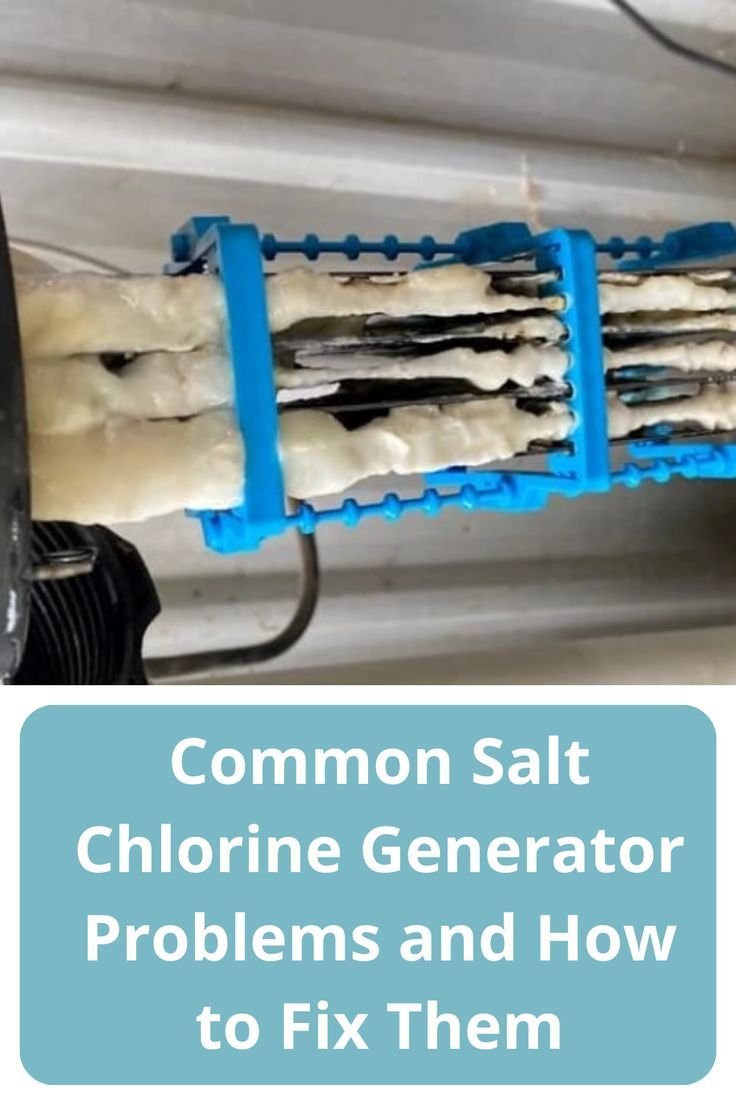
Calcium scale is the archenemy of your salt cell. It's a hard, white, chalky deposit that forms on the cell's plates, reducing its efficiency and lifespan.
- Symptoms: White, crusty deposits on the salt cell plates (visible through transparent cells), reduced chlorine production despite correct salt levels and settings.
- Causes:
- High Calcium Hardness: Pool water with calcium levels above 400 ppm increases the likelihood of scale.
- Elevated pH: A pH above 7.8 causes calcium to precipitate out of solution more readily.
- High Total Alkalinity: Can contribute to high pH and overall scaling issues.
- Effect: The scale acts as an insulator, preventing the electrical current from passing through the plates and converting salt into chlorine.
- Prevention/Maintenance:
- Regular Water Testing: Consistently monitor and maintain balanced water chemistry, especially pH, Total Alkalinity, and Calcium Hardness.
- Routine Cell Cleaning: This is crucial. Most manufacturers recommend cleaning your cell every 3 months, or more frequently if you live in a hard water area.
- Solutions (Cleaning Your Salt Cell):
- Turn Off Power: ALWAYS turn off the power to your pump and salt generator at the breaker before handling the cell.
- Remove the Cell: Disconnect it from the plumbing according to your manufacturer's instructions.
- Prepare Acid Solution: Mix a diluted muriatic acid solution. A common ratio is 1 part muriatic acid to 4 parts water. ALWAYS add acid to water, never water to acid, and wear appropriate safety gear (gloves, eye protection). Follow your manufacturer's specific recommendations for dilution.
- Soak the Cell: Place the cell vertically in a cleaning stand (often available from the manufacturer) or a bucket, ensuring the solution covers the plates but doesn't touch the electrical connection wires/ports. Let it soak until the bubbling stops (usually 15-30 minutes). Avoid leaving it in too long.
- Rinse Thoroughly: Remove the cell and rinse it thoroughly with a garden hose to remove any remaining acid or loose scale.
- Reinstall: Reconnect the cell, turn the power back on, and check for leaks.
4. Electrical and Power Issues: No Power or Unexpected Shutdowns
If your generator won't turn on or suddenly shuts down, the problem could be electrical.
- Symptoms: Control unit display is blank, generator lights are off, system repeatedly turns off, or there's no chlorine production despite everything else being normal.
- Causes:
- Blown Fuse or Tripped Circuit Breaker: The most common and easiest to fix.
- Faulty Wiring or Connections: Loose or corroded wiring to the control unit or cell.
- Control Board Failure: The internal computer board can fail due to surges, age, or manufacturing defects.
- Solutions:
- Check Circuit Breaker: Locate your pool equipment's dedicated circuit breaker and ensure it hasn't tripped. Reset it if necessary.
- Inspect Fuses: Many control units have internal fuses. Consult your manual for their location and replacement instructions. Replace any blown fuses.
- Examine Wiring: Visually inspect all wiring and connections for signs of damage, corrosion, or looseness. If you're comfortable and the power is off, gently tighten connections. If you're unsure about electrical work, call a professional.
- Control Board: If fuses and breakers are fine, and there's no visible wiring issue, a control board failure is possible. This requires a professional pool technician for diagnosis and replacement, as it's typically not a DIY repair.
5. Corroding Galvanized Equipment: The Salty Side Effect
While saltwater pools are gentler on swimmers, they can be harsh on certain metal pool components.
- Symptoms: Rusted and disintegrating screws, bolts, ladder rails, diving board mounts, or other galvanized steel components in and around your pool.
- Causes: Saltwater (and the chlorine it produces) is highly corrosive to galvanized steel. Over time, it will break down this metal.
- Solutions:
- Replace with Resistant Materials: When replacing corroded parts, opt for brass or high-grade stainless steel (316L grade is best for saltwater), which are much more resistant to salt corrosion.
- Clean and Sand: For minor rust, clean the area thoroughly, sand away the rust, and consider applying a protective coating, though this is often a temporary fix for galvanized parts.
6. High Chlorine Content: Overproduction Issues
Sometimes the problem isn't too little chlorine, but too much. This can be just as problematic, leading to discomfort, bleached liners, and accelerated equipment wear.
- Symptoms: Strong chlorine smell (though less common in saltwater pools than traditional ones, it can still occur), eye irritation, bleached swimwear. Your pool test shows very high free chlorine levels.
- Causes:
- Incorrect Percentage Setting: The generator's output is set too high for current pool conditions (e.g., lower bather load, less sunlight, cooler water).
- Imbalanced Water Chemistry: High pH can make chlorine less effective, leading owners to increase production unnecessarily.
- Solutions:
- Test and Adjust: Test your pool water regularly with saltwater-specific test strips or a liquid drop test kit.
- Reduce Output: Lower the chlorine production percentage on your salt generator's control unit.
- Monitor & Fine-Tune: Re-test chlorine levels every day or two and make small adjustments until you reach your desired free chlorine range (typically 1-3 ppm). This often involves some trial and error based on your specific pool and environment.
- Balance Water Chemistry: Ensure pH and alkalinity are within optimal ranges, as this will help your chlorine work more efficiently and reduce the need for excessive production.
7. High Calcium Hardness in the Pool: Beyond the Cell
While high calcium directly impacts the salt cell, high calcium in the pool water itself can cause a range of other issues.
- Symptoms: Cloudy water, rough or gritty surfaces (especially plaster), clogged filters with white calcium residue, increased scale on the salt cell.
- Causes:
- Hard Water Source: If your fill water has naturally high calcium levels.
- Evaporation: As water evaporates, calcium is left behind, increasing its concentration.
- Solutions:
- Partial Drain and Refill: The most effective way to lower calcium hardness is to partially drain your pool (e.g., 25-50%) and refill it with fresh, less calcium-rich water.
- Chemical Water Softeners: Some chemicals can help sequester calcium, preventing it from forming scale, but these are often temporary solutions.
- Reverse Osmosis (RO) Filtration: For severe cases, mobile RO filtration services can remove calcium and other dissolved solids without fully draining the pool.
8. Water Circulation Woes: A System-Wide Impact
Good water circulation is vital for your salt generator to function, as well as for filtering and distributing chlorine throughout the pool.
- Symptoms: Cloudy water, hot spots or cold spots, stagnant areas, algae growth, particles not being drawn into the skimmer effectively, "Flow" error on your generator.
- Causes:
- Blockages: Clogged skimmer or pump baskets, dirty filter, obstructed return jets.
- Malfunctioning Pump: Pump not running at full capacity or experiencing issues.
- Closed Valves: Valves leading to the filter or generator might be partially or fully closed.
- Solutions:
- Clear Baskets: Regularly empty your skimmer and pump baskets.
- Clean Filter: Backwash your sand filter, rinse your D.E. filter, or clean your cartridge filter according to its maintenance schedule.
- Check Valves: Ensure all necessary valves in your plumbing system are fully open, especially those to and from the salt cell and filter.
- Inspect Pump: Listen for unusual pump noises. If your pump isn't moving water effectively, it may need service or replacement.
9. Salt Cell Corrosion & Pitting: When the Cell Itself Fails
Even with perfect maintenance, salt cells don't last forever. Corrosion and pitting indicate the cell is wearing out.
- Symptoms: Small holes, visible damage, or excessive erosion on the metallic electrodes inside the salt cell. Reduced chlorine output despite optimal conditions.
- Causes:
- Incorrect Water Chemistry: Persistently high or low pH, high total alkalinity, or low calcium hardness can accelerate corrosion.
- Low Salt Concentration: Can sometimes lead to the cell working harder and overheating.
- Normal Wear and Tear: The metallic coating on the electrodes naturally degrades over time with use.
- Solutions:
- Maintain Balanced Chemistry: This is your best defense against premature cell failure.
- Replace the Salt Cell: Once corrosion or pitting significantly compromises the cell's function, cleaning will no longer be effective. Salt cells typically last 3-7 years. (See Section 10: Knowing When It's Time for a New Cell (or System) for more details).
When to Call a Pro vs. DIY Fixes
Knowing your limits is key to effective pool ownership. Many issues are simple DIY fixes, but others require specialized knowledge and tools.
DIY Friendly:
- Testing and adjusting salt levels.
- Cleaning the salt cell.
- Checking/clearing pump and skimmer baskets.
- Backwashing or cleaning your pool filter.
- Adjusting generator output settings.
- Resetting a tripped circuit breaker.
Call a Professional Pool Technician For: - Persistent electrical issues (faulty wiring, control board diagnosis/replacement).
- Difficult-to-diagnose error codes after consulting the manual and trying basic fixes.
- Significant plumbing leaks.
- Pump motor issues or replacement.
- Advanced water chemistry balancing (e.g., consistently struggling with calcium hardness).
- Annual system diagnostics and calibration.
- Any repair that involves opening up the main control box or high-voltage wiring, unless you are a qualified electrician.
Knowing When It's Time for a New Cell (or System)
Eventually, even the best-maintained salt generator components will wear out. Understanding their lifespans and signs of failure can save you headaches and money.
Salt Cell Replacement: The Telltale Signs
The salt cell is the consumable heart of your system, typically lasting 3 to 5 years, though diligent maintenance can extend this to 7 years. New salt cells generally cost between $300 and $500.
- Signs it's time for a new cell:
- Ineffective Cleaning: Your cell is regularly coated in calcium, and even acid baths aren't fully clearing the deposits or restoring chlorine production.
- Visible Plate Damage: The metallic plates inside are visibly corroded, pitted, or missing significant portions.
- Persistent Low Chlorine Output: You've checked all other factors (salt levels, water chemistry, flow, settings), cleaned the cell, and still can't maintain adequate chlorine, leading to green pool water. This is the most common indicator.
- "Cell Fault" or "Inspect Cell" Errors: If these errors persist even after cleaning and ensuring all other conditions are met.
Whole System Overhaul: Beyond the Cell
The entire salt chlorine generator system (control unit and cell) typically lasts 5 to 10 years.
- Consider replacing the entire system if:
- Severe Cell Corrosion: Your salt cell is severely corroded, pitted, and cleaning is no lost cause.
- Frequent System Failures: The control unit is experiencing frequent electrical issues or displaying complex error codes that make repairs costly and ongoing.
- Outdated Technology: Newer models offer better efficiency, smart features, and improved reliability.
- Repair vs. Replacement Cost: Consult a pool professional to assess whether the cost of repairing frequent issues outweighs the investment in a new, more reliable system. Sometimes, throwing good money after bad simply isn't worth it.
Your Action Plan for a Healthy Saltwater Pool
Troubleshooting common salt generator problems doesn't have to be a daunting task. Most issues stem from a few key areas, and with this guide, you're equipped to handle them. The overarching theme? Proactive maintenance and consistent water chemistry are your best defense.
Here’s your ongoing action plan:
- Weekly Checks: Test salt levels, pH, and free chlorine. Adjust as needed. Clear skimmer and pump baskets.
- Monthly/Quarterly Cell Cleaning: Stick to a regular schedule for cleaning your salt cell, especially in hard water areas.
- Seasonal Adjustments: Review your generator's output settings as pool usage, sunlight, and temperatures change.
- Listen and Observe: Pay attention to your pool's appearance, water clarity, and any error messages from your control unit.
- Educate Yourself: Keep your salt generator's user manual handy for specific error codes and maintenance instructions.
- Don't Hesitate to Call a Pro: For complex electrical issues or persistent problems, a certified pool technician can save you time, money, and frustration.
By following these steps, you'll ensure your salt chlorine generator runs efficiently, keeps your pool sparkling clean, and provides you with countless hours of worry-free enjoyment. Happy swimming!