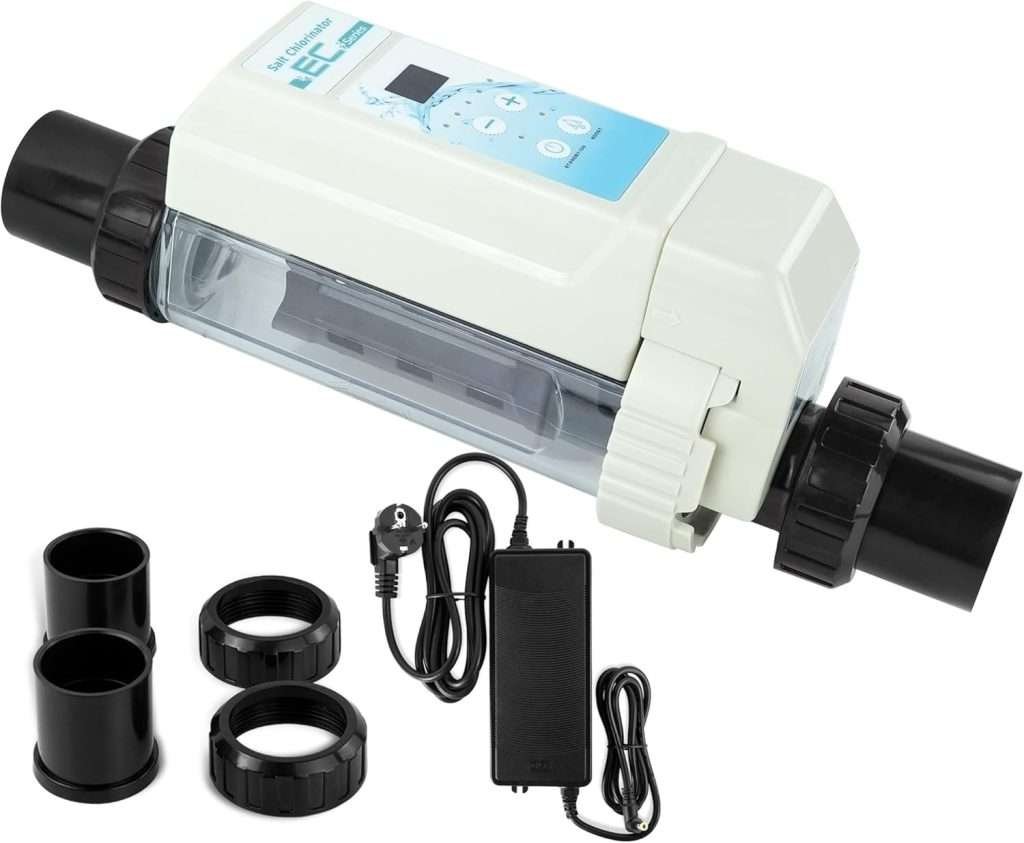
Understanding Saltwater Pool Systems & Generators and Their Benefits: Your Guide to a Smoother Pool Experience
For decades, pool ownership often came with the distinct smell of chlorine, burning eyes, and the regular ritual of handling harsh chemical buckets. But what if you could have a sparkling clean pool with less effort, fewer chemicals, and a gentler feel for swimmers? That's the promise of Understanding Saltwater Pool Systems & Generators, a technology that's quietly revolutionized pool maintenance. Forget what you think you know about "salt pools" – this isn't the ocean in your backyard. Instead, it's an ingenious system that uses a small amount of ordinary salt to create its own sanitizing chlorine, automatically and continuously.
This isn't just a trend; it's a smarter way to manage your pool, offering a compelling blend of convenience, comfort, and peace of mind. Let's dive in.
At a Glance: Saltwater Pool Systems
- Self-Renewing Sanitization: Converts dissolved salt into chlorine through electrolysis, then reverts to salt in a continuous, self-renewing cycle.
- Key Components: A salt chlorine generator (chlorinator), a control board, and a salt cell.
- Major Benefits: Less hands-on maintenance, reduced need for harsh chemical storage, enhanced swimmer comfort (no red eyes, softer skin), and often more eco-friendly.
- Optimal Salt Levels: Maintain 2,700-3,400 ppm for efficient chlorine production.
- Crucial Water Chemistry: Weekly monitoring of pH (7.2-7.6), free chlorine (1-3 ppm), salinity, and stabilizer (60-80 ppm) is essential.
- Regular Maintenance: Clean the salt cell every 3-6 months to prevent calcium buildup.
- Conversion Friendly: Most existing chlorine pools can be converted to a saltwater system.
The Magic Behind the Blue: What Exactly Are Saltwater Pool Systems?
At its core, a saltwater pool system is an automated, on-demand chlorine factory right at your pool equipment pad. Instead of manually adding chlorine pucks or liquid bleach, you add a small amount of pure salt to your pool water ��� typically a much lower concentration than a tear drop, let alone the ocean. This dissolved salt then circulates through your pool system.
The real "magic" happens when this slightly saline water passes through a specialized piece of equipment called a salt chlorine generator, often just called a chlorinator. Inside its heart, the salt cell, an electrochemical process called electrolysis occurs. Here, titanium plates, charged with an electrical current, break down the salt (sodium chloride, NaCl) molecules. This reaction converts the salt into hypochlorous acid (HOCl) and sodium hypochlorite (NaClO) – the very forms of chlorine that effectively sanitize your pool water.
Once these sanitizing compounds have done their job, eliminating bacteria, algae, and other contaminants, they revert back into salt. This means the process is cyclical and self-renewing. The salt isn't consumed; it's simply transformed and then returns to its original state, ready to be converted again. Trace amounts of hydrogen gas are also produced during electrolysis, but these dissipate safely into the atmosphere. This ingenious closed-loop system means you rarely need to add more salt beyond initial setup or to replace salt lost through splash-out or backwashing.
Why Make the Switch? Unpacking the Benefits of a Saltwater Pool
Converting to a saltwater system isn't just about adopting new technology; it's about upgrading your entire pool experience. The benefits extend far beyond simply keeping your water clean.
Less Maintenance, More Enjoyment
Perhaps the most compelling reason for many pool owners is the significant reduction in routine maintenance. With a traditional chlorine pool, you're constantly monitoring chlorine levels, adding chemicals, and adjusting dosages. Saltwater systems automate much of this. The control board monitors your system and manages chlorine production, often allowing you to set a desired output level. Many salt cells also feature a self-cleaning mechanism, reversing polarity to prevent calcium buildup on the titanium plates. This hands-off approach frees up your time to actually enjoy your pool, rather than constantly tending to it. To explore all the benefits of saltwater pools in more detail, it's clear why so many are making the switch.
Reduced Chemical Handling and Storage
Say goodbye to storing bulky containers of harsh, irritating chlorine tablets or liquid. Saltwater pools drastically reduce your reliance on purchasing and handling these chemicals. You'll still need some balancing chemicals (like pH adjusters), but the primary sanitization is handled internally. This not only declutters your pool shed but also enhances safety, especially for households with children or pets, by minimizing exposure to concentrated chemicals.
Enhanced Swimmer Experience: Softer Skin, Happier Eyes
This is often the most noticeable difference for swimmers. The chlorine produced by a saltwater generator is a purer form, and because it's produced steadily in lower concentrations, it's far less harsh than the intermittent "shock" of traditional chlorine. The result? Water that feels incredibly soft and silky on your skin, without the drying or irritating effects of heavily chlorinated water. Red eyes, itchy skin, and faded swimsuits become a thing of the past, making for a much more comfortable and enjoyable swimming experience.
Environmental Friendliness
By significantly reducing the need for manufactured chlorine and its associated packaging, transportation, and disposal, saltwater systems offer a more environmentally sound approach to pool care. The self-renewing nature of the salt conversion also means less chemical waste introduced into the environment.
Long-Term Cost Advantages
While the initial investment in a saltwater generator system can be higher than a traditional chlorine setup, the long-term cost savings are substantial. You'll spend significantly less on purchasing chlorine products year after year. Factoring in the convenience, comfort, and reduced exposure to harsh chemicals, many find the overall value proposition of a saltwater system to be superior.
Diving Deeper: How Your Saltwater System Works, Component by Component
To truly appreciate the elegance of a saltwater system, it helps to understand the roles of its three primary components.
The Salt Chlorine Generator (Chlorinator): The Control Center
This is the brain and the interface of your system. The chlorinator unit typically contains the control board, which manages the entire operation. It allows you to set chlorine production levels, monitor salt levels, and often includes diagnostic indicators for troubleshooting. It's where you'll interact with your system, adjusting settings based on your pool's needs and usage.
The Control Board: Your System's Navigator
Nestled within the chlorinator, the control board is the true brains of the operation. It receives input from sensors (like those monitoring water flow or temperature) and dictates the performance of the salt cell. This sophisticated component manages critical functions, including:
- Chlorine Production Levels: You can typically dial up or down the percentage of chlorine output based on factors like bather load, weather, or pool size.
- Operational Hours: Many systems allow you to program the hours of operation, often syncing with your pool pump's schedule.
- System Diagnostics: It alerts you to potential issues, such as low salt levels, low water flow, or a cell that needs cleaning or replacement.
The Salt Cell: The Heart of the Process
The salt cell is where the actual transformation happens. This cylindrical unit is installed in your pool's plumbing, typically after the pump and filter, and before the heater (if you have one). Inside the cell are titanium plates, which are coated with a precious metal and serve as electrodes. As your pool water, now with dissolved salt, flows through the cell, the control board sends an electrical current to these plates.
This current triggers the electrolysis process, splitting the salt (NaCl) molecules into their constituent parts to form sanitizing chlorine. After the chlorine has disinfected the water, it naturally reverts back to salt, ready to pass through the cell and be converted again. Many modern salt cells also incorporate a crucial self-cleaning mechanism. By periodically reversing the polarity of the electrical current to the titanium plates, the cell automatically sheds calcium buildup, which can reduce efficiency. This feature significantly extends the life of the cell and reduces manual cleaning frequency. If you want to dig deeper into the specifics of salt generators for pools, understanding the cell's role is paramount.
Keeping Your Oasis Pristine: Essential Water Chemistry & Maintenance
While saltwater systems automate chlorine production, they don't eliminate the need for routine water testing and balancing. In fact, understanding your water chemistry is paramount for efficient, safe, and cost-effective operation.
The Golden Numbers: Ideal Water Chemistry Parameters
Think of these as your pool's vital signs. Regular monitoring (ideally weekly) is non-negotiable for optimal performance and longevity of your system.
- Salinity (Salt Concentration): This is the most direct measure for your generator.
- Ideal Range: 2,700-3,400 ppm (parts per million).
- Why it Matters: Too low, and the cell can't produce enough chlorine efficiently. Too high, and it can stress the equipment. Your control board will typically alert you if salt levels fall outside the optimal range.
- pH (Potential Hydrogen): Measures the acidity or alkalinity of your water.
- Ideal Range: 7.2-7.6.
- Why it Matters: Maintaining proper pH is crucial for chlorine effectiveness and swimmer comfort. Water that's too acidic (low pH) can be corrosive to equipment; too alkaline (high pH) can lead to calcium scaling and cloudy water.
- Adjustment: Add muriatic acid to lower pH; add sodium bicarbonate (baking soda) to raise pH.
- Free Chlorine: The active, sanitizing chlorine in your pool.
- Ideal Range: 1-3 ppm.
- Why it Matters: This confirms your generator is working effectively and your water is safe.
- Adjustment: If low, increase your generator's output, clean the cell, or consider a "shock" treatment if levels are extremely low or you have an algae bloom.
- Stabilizer (Cyanuric Acid - CYA): Protects chlorine from degradation by UV rays.
- Ideal Range: 60-80 ppm.
- Why it Matters: Without adequate CYA, your chlorine will quickly burn off in the sun, leading to insufficient sanitization.
- Total Alkalinity (TA): Acts as a buffer to prevent rapid pH fluctuations.
- Ideal Range: 80-120 ppm.
- Why it Matters: Stable alkalinity means more stable pH, reducing the need for constant adjustments.
Mastering pool water chemistry is key to a perfectly balanced saltwater pool.
Testing Your Water: Tools of the Trade
Don't guess; test! You'll need reliable tools to accurately measure these parameters.
- Digital Salt Meter: Provides the most accurate and easiest way to measure salinity.
- Test Strips: A quick and convenient option for checking pH, chlorine, alkalinity, and CYA.
- Liquid Test Kits: Often considered more precise for pH and chlorine than strips, especially for critical troubleshooting.
Always follow the manufacturer's instructions for your chosen testing method.
The Crucial Chore: Salt Cell Cleaning
Even with self-cleaning features, calcium can still build up on the salt cell's titanium plates over time, especially in areas with hard water. This buildup, known as "scaling," reduces the cell's efficiency and chlorine production.
- Frequency: Plan to inspect and, if necessary, clean your salt cell every 3-6 months. Your system's control board may also indicate when cleaning is needed.
- Method: Typically involves disconnecting the cell and soaking it in a mild acid solution (often a diluted muriatic acid solution, specifically designed for cell cleaning) to dissolve the calcium. Always wear appropriate safety gear (gloves, eye protection) and follow the manufacturer's instructions for your specific cell model.
- Importance: Regular cleaning maintains the cell's efficiency, extends its lifespan, and ensures consistent chlorine production. Ensure you're following best practices for salt cell maintenance to get the most out of your system.
Troubleshooting Common Saltwater Pool Headaches
Even the most robust systems can encounter hiccups. Here's a look at common issues and how to tackle them.
Low Chlorine Production: The Usual Suspects
If your pool water isn't as sparkling as it should be, or your free chlorine levels are consistently low despite your generator running, here's where to start your investigation:
- Low Salt Levels: This is the most frequent culprit. If your salinity drops below the recommended 2,700 ppm, your cell simply can't generate enough chlorine.
- Solution: Test your salt levels with a digital meter and add pool-grade salt as needed. Allow time for the salt to dissolve and circulate before retesting and expecting an increase in chlorine output.
- Dirty Salt Cell: Calcium buildup on the cell plates acts as an insulator, preventing efficient electrolysis.
- Solution: Follow the cleaning procedure described above, using a mild acid solution to remove scale.
- Improper Water Chemistry: pH and alkalinity levels significantly impact chlorine's effectiveness.
- Solution: Test and adjust your pH to the 7.2-7.6 range and alkalinity to 80-120 ppm. Chlorine is less effective in high pH water.
- Low Water Flow: The cell requires adequate water flow to operate correctly. If your pump isn't running long enough, or there's a clog in your filter or plumbing, it can reduce chlorine production.
- Solution: Check your filter for cleanliness, ensure your pump is running for sufficient hours (typically 8-12 hours daily), and inspect for any flow obstructions.
- Aging Salt Cell: Like any electronic component, salt cells have a finite lifespan, typically 3-5 years. Over time, the coating on the titanium plates can degrade, reducing efficiency.
- Solution: If your cell is past its expected lifespan and you've ruled out other issues, it may be time for a replacement.
For a comprehensive guide on troubleshooting low chlorine levels, it often comes down to these fundamental checks.
Other Potential Issues:
- Power Supply Voltage: Ensure your generator is receiving the correct power voltage.
- System Error Codes: Your control board will display error codes for specific problems, which are invaluable for diagnosis. Consult your owner's manual.
Making the Leap: Converting Your Existing Pool to Saltwater
The good news? Most existing chlorine pools can be successfully converted to saltwater systems. This doesn't mean a complete overhaul, but it does require careful planning and installation.
Feasibility and Planning
Before you start, ensure your existing pool equipment (pump, filter) is in good working order. While the saltwater system primarily affects the sanitization process, healthy circulation and filtration are still critical. You'll need to choose a salt chlorine generator appropriately sized for your pool volume.
Installation Process
The generator is typically installed in line with your existing pool system, usually after the pump and filter, but before any heater or other sensitive equipment. The salt cell itself is often mounted vertically for optimal water flow and efficiency. Professional installation is highly recommended to ensure proper plumbing connections, electrical wiring, and system setup.
Initial Stabilization and the "Shock" Phase
After installation, you'll add the initial dose of pool-grade salt. It's common to experience an initial "shock" phase, where your pool water might temporarily become cloudy or even experience a minor algae bloom. This is normal as the system stabilizes and begins to produce its own chlorine. Your installer might recommend an initial manual shocking of the pool to kickstart the sanitization process and eliminate any existing contaminants. System stabilization usually takes 24-48 hours.
Winterization for Cold Climates
If you live in a region with cold winters, proper winterization of your saltwater system is essential. This typically involves:
- Disconnecting Power: Turn off the power to the generator at the breaker.
- Draining the Cell: Remove the salt cell and drain any water from it to prevent freezing and damage. Store it indoors in a dry, protected area.
- Inspecting for Damage: Before storing, inspect the cell for any visible damage or significant buildup that might need attention before next season.
Discover a step-by-step guide to converting your pool to saltwater for a smooth transition.
The Investment: Costs & Lifespan of Your Saltwater System
While the benefits are clear, it's natural to consider the financial implications.
Initial Investment vs. Long-Term Savings
The upfront cost of a saltwater chlorine generator system is generally higher than that of a traditional manual chlorination setup. A complete system can range from several hundred to a couple of thousand dollars, depending on your pool size, brand, and features. However, these systems offer significant long-term cost advantages by drastically reducing your annual chemical purchases. The savings on chlorine alone often offset the initial investment within a few years, making it a wise financial decision over the lifespan of your pool.
Power Consumption
Salt chlorinator cells typically consume between 500-600 watts of power. They usually run for 8-12 hours daily, synchronized with your pool pump's operation. Modern units often include energy-efficient modes that optimize power usage, further contributing to their cost-effectiveness. The power consumption is generally a minor addition to your overall electricity bill compared to the pump itself.
Salt Cell Replacement
The titanium plates within the salt cell are designed for durability, but they do have a finite lifespan. On average, a salt cell will require replacement every 3-5 years, depending on usage, water chemistry maintenance, and model. The cost of a replacement cell can be a few hundred dollars, which is an important ongoing maintenance cost to factor into your budget.
Top Brands & What to Look For in a Generator
The market offers a variety of reputable saltwater chlorine generator brands and models. Some of the most popular and well-regarded include:
- Hayward: Known for its robust and reliable systems, including the T-Cell series (e.g., T-Cell-9, T-Cell-15 for different pool sizes) and the AquaRite Electronic Chlorine Generator. Hayward systems are widely available and come with good support.
- CircuPool: Offers universal compatibility and user-friendly designs, such as the CircuPool Universal40 Saltwater Chlorinator, often praised for its ease of installation and operation.
When choosing a generator, consider: - Pool Size: Ensure the unit is rated for your pool's gallon capacity, usually with a slight oversizing for better efficiency and longevity.
- Features: Look for options like self-cleaning capabilities, digital salt displays, flow sensors, and winterization modes.
- Warranty: A good warranty provides peace of mind.
- Brand Reputation: Stick with established brands known for quality and customer service.
Your Path to a Smoother Pool Experience
Understanding Saltwater Pool Systems & Generators isn't just about learning new jargon; it's about embracing a smarter, more enjoyable approach to pool ownership. By converting to saltwater, you're investing in cleaner, softer water, significantly less hands-on maintenance, and a gentler experience for everyone who dives in. While the initial setup requires attention, the long-term benefits – both financial and experiential – make it a choice many pool owners never regret. With proper installation, regular water chemistry checks, and timely salt cell maintenance, you'll be well on your way to a season of effortless enjoyment in your backyard oasis.